
Swimming in a pond carries inherent risks compared to a controlled environment, like a chlorinated pool. However, many ponds are safe to swim in. If you own a pond as part of a residential complex or homeowners association and want to determine if it is safe for swimming, there are several checks you can perform, including visual assessments and water testing.
Determining Pond Safety
While a clear pond isn’t always safe, a pond that looks unsafe likely is. An initial visual assessment can alert you regarding potential hazards so you can take steps to resolve them.
Here are a few things to look for:
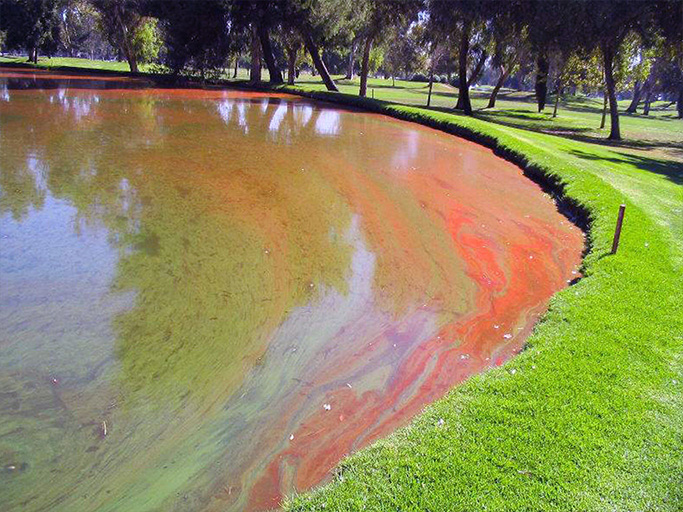
- Water appearance: Ponds with a green, scummy or oily appearance likely have contaminants that render them unsafe. Also, look for dead fish in the water.
- Physical hazards: The depth of a pond can make swimming more dangerous. Rocks, branches and other submerged objects can cause issues for swimmers. Heavy vegetation in and around your pond can entangle swimmers.
- Dangerous animals: Snakes, snapping turtles, alligators and leeches are all very common in ponds and can make them unsafe for swimmers.
Keep in mind that a visual check can’t confirm safety, as threats might be hidden or invisible.
In-Depth Water Testing
After a visual assessment, you can dive deeper by checking the temperature and water movement. Stagnant, warm water may allow unsafe contaminants to grow.
More in-depth water testing helps identify invisible threats, like:
- Bacteria and E. Coli: Geese and ducks tend to leave fecal matter, which can promote bacterial growth. Agricultural runoff can also introduce invisible pathogens that may cause illness.
- Harmful algal blooms: Some algae species are harmless, but others can produce a toxin called microcystin. Keep in mind that not all algae looks like a dense mat. Planktonic algal blooms typically appear as green scum that floats freely throughout the water.
- Parasites: “Swimmer’s itch” is a type of skin rash that develops from an allergic reaction to a microscopic parasite that burrows into your skin. These parasites, common in ponds and lakes, have a life cycle that transfers between snails, waterfowl and other mammals that live around water.
Verify Safety With Expert Water Quality Testing
While visual checks can help you identify and remove some hazards, water quality testing should always be the final determining factor for pond safety. You can purchase tests to complete yourself, but they may only cover basic quality indicators and not complex biological threats.
Testing conducted by waterbody management experts is your best choice. Depending on the level of professional testing you get, it could include the following:
- Temperature
- pH
- Dissolved oxygen
- Alkalinity/hardness
- Phosphorus
- Chlorophyll
- Phytoplankton and zooplankton populations
Testing should occur regularly before and during the swimming season, with increased frequency if the pond is heavily used.
Maintain a Healthy Pond for Recreation With AEC Lakes
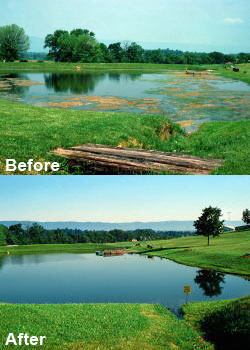
If you want to check the safety of your pond, AEC Lakes can help. We conduct professional water quality testing. Our team can also help with water quality restoration and ongoing monitoring to ensure your pond remains safe for swimming.
Contact us to discuss your needs.
1 Comment
i really enjoy reading your blogs. Keep on posting. Thanks
Comments are closed.